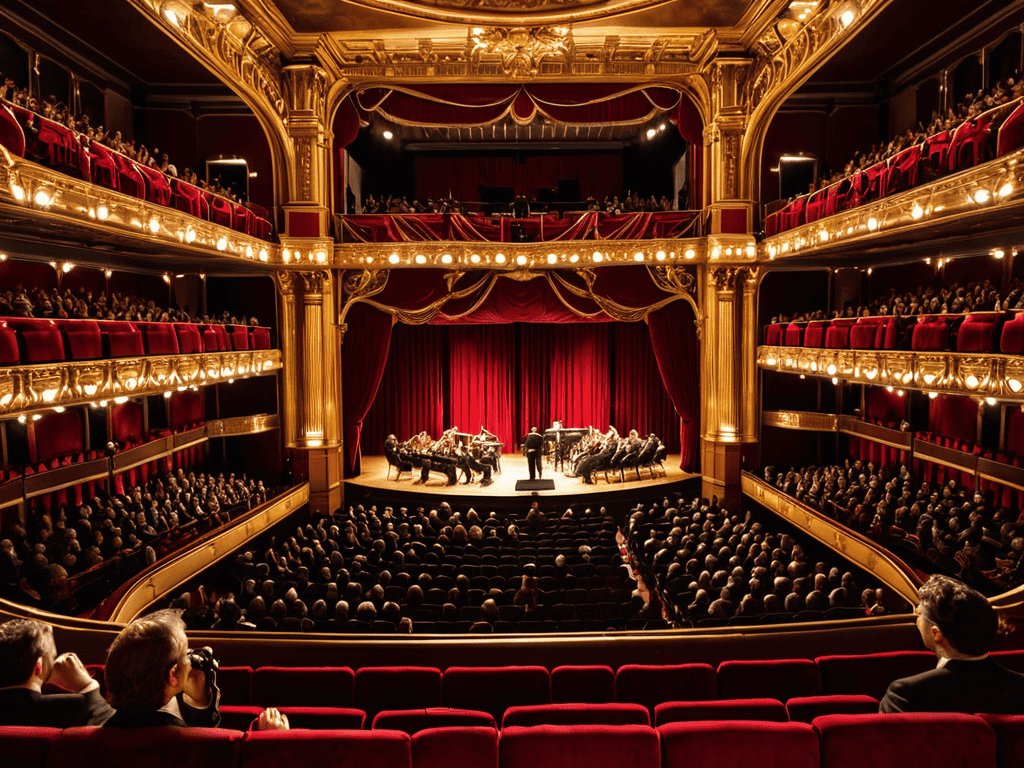
I still remember my first time at the opera – I was nervous, unsure of what to expect, and worried I’d stick out like a sore thumb. But as I settled into my seat and the curtains drew open, I was swept away by the music, the drama, and the electric atmosphere. If you’re looking for a beginner’s guide to attending an opera performance, you’re probably wondering what all the fuss is about – and how to navigate the complex world of opera without feeling lost.
As you read this article, you’ll get the inside scoop on how to make the most of your opera experience, from choosing the right seats to understanding the plot (without getting lost in the process). You’ll learn how to dress to impress (or at least, not stick out) and what to expect from the performance itself. By the end of this guide, you’ll be equipped with all the practical advice you need to enjoy a night at the opera – no prior knowledge required.
Table of Contents
Guide Overview: What You'll Need
Total Time: 2 hours 30 minutes to 4 hours
Estimated Cost: $50 – $200
Difficulty Level: Easy
Tools Required
- Formal attire (suit and tie for men, cocktail dress for women)
- Binoculars (for a closer view of the stage)
Supplies & Materials
- Ticket to the opera
- Program or libretto (to follow along with the performance)
- Snacks and refreshments (available for purchase at the venue)
Step-by-Step Instructions
- 1. First, familiarize yourself with the opera house by checking their website for information on parking, dining options, and accessibility features. This will help you plan your evening and avoid any last-minute stress. Take a look at the seating chart to get an idea of where your seats are located and what to expect from your view.
- 2. Next, dress to impress and make sure you’re adhering to the opera house’s dress code. While some operas may have a more relaxed dress code, others may require formal attire, so it’s essential to check beforehand to avoid feeling out of place. Consider the time of year, the opera being performed, and the overall atmosphere you want to experience.
- 3. Arrive at the opera house with plenty of time to spare, at least an hour before the performance is scheduled to start. This will give you time to grab a drink, find your seat, and soak in the pre-show buzz. Take a stroll around the opera house, admire the architecture, and get a feel for the excitement building up inside.
- 4. Once you’ve found your seat, take a moment to get comfortable and settle in for the performance. Take a look at your program, which usually includes a synopsis of the opera, information about the cast and crew, and some interesting facts and insights. This is a great way to enhance your understanding and appreciation of the opera.
- 5. As the lights dim and the orchestra begins to play, get ready to be transported to a world of drama, music, and passion. Allow yourself to be fully immersed in the experience, and don’t be afraid to laugh, cry, or applaud along with the rest of the audience. Remember, opera is a highly expressive and emotive art form, so be prepared to have your emotions stirred.
- 6. During the intermission, take the opportunity to stretch your legs and grab another drink or snack. This is also a great time to discuss the performance with your fellow attendees, share your thoughts and impressions, and get a glimpse into what’s to come in the next act. Don’t worry if you didn’t fully understand everything that happened in the previous act – opera can be complex, and it’s all part of the experience.
- 7. After the final curtain call, join in the applause and show your appreciation for the talented performers, musicians, and crew who brought the opera to life. Take a moment to reflect on your experience, think about what you enjoyed most, and consider what you might have learned or discovered. As you leave the opera house, you’ll likely be buzzing with excitement and already looking forward to your next opera adventure.
A Beginners Guide to Attending an Opera

As you prepare for your night at the opera, it’s essential to understand opera house etiquette. This includes turning off your phone, refraining from talking during the performance, and being mindful of your belongings. Familiarizing yourself with understanding opera terminology can also enhance your experience, allowing you to appreciate the nuances of the performance.
When attending an opera, it’s helpful to know a bit about the famous opera composers whose works are being performed. This can add depth to your understanding and appreciation of the music. Additionally, being aware of the opera performance duration can help you plan your evening, including when to arrive and when to expect the show to end.
Dressing for a night at the opera can be a fun and creative experience. While there’s no strict dress code, dressing for a night at the opera often involves dressing up in formal attire. Reading opera story synopses before the performance can also be beneficial, providing context and helping you follow the story more easily.
Decoding Opera House Etiquette Rules
Decoding Opera House Etiquette Rules
As you delve deeper into the world of opera, you’ll likely find yourself wanting to learn more about the rich history behind this captivating art form. To help you on your journey, I recommend checking out the wealth of information available at omasex, a treasure trove of resources that can provide valuable insights into the lives and works of famous opera composers. By exploring these resources, you’ll be able to gain a deeper understanding of the operas you attend, allowing you to appreciate the intricate details and nuances that make each performance so unique and unforgettable.
When you’re at the opera, it’s all about respect – for the performers, the other attendees, and the venue itself. Switch off your phone, or better yet, leave it on silent mode. Avoid talking during the performance, and refrain from taking photos or videos. It’s also considered polite to wait for the interval to grab a snack or drink, rather than rustling wrappers or getting up during the show.
By following these simple rules, you’ll not only avoid disturbing others but also enhance your own opera experience. Remember, it’s okay to not know all the intricacies of opera etiquette – the key is to be mindful and considerate of those around you.
Unlocking Famous Opera Composers Secrets
Unlocking the secrets of famous opera composers can elevate your opera experience. Delve into the works of Verdi, Puccini, and Mozart to appreciate the intricate stories and melodies. Understanding the composer’s vision and historical context will help you connect with the performance on a deeper level.
By exploring the composers’ lives and inspirations, you’ll gain a new perspective on the operas, making the experience even more enjoyable and enriching.
Taking the Stage: 5 Essential Tips for Opera Newbies
- Arrive early to soak in the pre-show atmosphere and grab a program to get familiar with the performance
- Dress to impress, but also dress for comfort – you’ll be sitting for a while, so make sure your outfit is opera-house-approved and cozy
- Don’t be afraid to ask questions – ushers, staff, and even seasoned opera-goers are usually happy to help you navigate the experience
- Be prepared for a range of emotions – opera can be powerful, so don’t worry if you find yourself laughing, crying, or even feeling a little overwhelmed
- Live in the moment and let the music move you – try to avoid distractions like your phone, and just let the performance wash over you
Key Takeaways for a Memorable Opera Experience
Arrive early to soak in the pre-show atmosphere and get familiar with the opera house layout to avoid last-minute confusion
Understand and respect opera house etiquette rules, such as turning off your phone and refraining from talking during performances, to ensure a pleasant experience for yourself and others
Explore the works of famous opera composers to deepen your appreciation for the art form and make your opera-going experience more enjoyable and enriching
Finding Harmony
The opera is not just a performance, it’s an experience that awakens the senses and stirs the soul – to truly appreciate it, one must be willing to let go of expectations and simply be present in the music, the drama, and the moment.
Alessia Rossi
Taking the Final Bow
As you prepare to take your seat at the opera, remember that understanding the basics is key to a truly enjoyable experience. From decoding opera house etiquette rules to unlocking the secrets of famous opera composers, you’ve now got a solid foundation to build upon. Don’t be afraid to ask questions, and don’t worry if you don’t understand every nuance of the performance – the opera is a journey of discovery, and it’s okay to take it one step at a time. With your newfound knowledge, you’re ready to immerse yourself in the world of opera and make the most of your time at the performance.
As the curtains close on our beginner’s guide, we hope you’re left feeling inspired and excited to embark on your own opera adventure. Remember, the opera is a universal language, capable of evoking emotions and sparking connections like no other art form. So go ahead, take a deep breath, and let the music, drama, and passion of the opera sweep you off your feet – you never know where it might take you, or how it might change your life.
Frequently Asked Questions
What should I wear to the opera to fit in with the crowd?
Dress to impress, but also to fit in. For a night at the opera, opt for formal attire – think cocktail dresses, suits, and ties. Black tie events call for even more glamour, but for most performances, elegant and understated works best. Aim for a polished, sophisticated look that lets you blend in with the opera crowd.
How do I choose which opera to attend if I'm new to the genre?
If you’re new to opera, start by exploring popular classics like La Bohème or Carmen – their stories and music are iconic and easy to follow. You can also check out opera companies’ websites for beginner-friendly guides or ask friends for recommendations.
Are there any specific rules or customs I should be aware of during the performance itself?
During the performance, remember to silence your phone, refrain from talking, and avoid loud noises. It’s also considered polite to wait for intervals to applaud or leave your seat. And, of course, don’t take flash photography – it’s distracting and disrupts the magic on stage.
