
Growing up, I remember sitting under the dim glow of the living room lamp. My grandmother’s tales of her childhood captivated me. These stories were more than just stories; they were our family’s history and culture. Each story taught me about resilience, empathy, and understanding.
Those moments sparked my passion for storytelling. I didn’t realize then how much it would shape my life. Storytelling is more than sharing experiences. It’s a powerful force that connects people and generations, creating a sense of community and belonging.
In my journey, I’ve seen storytelling’s impact go beyond personal connections. In workshops, people’s writing skills improved, and they gained confidence to share their stories. This boosted their creativity and helped them heal and grow.
Storytelling appears in many forms, like “Hamilton” on stage and documentaries like “Our Planet.” It tackles social issues and shapes how we see the world. Let’s explore how cultural storytelling transforms beliefs and identities.
Key Takeaways
- Cultural storytelling connects people emotionally, fostering empathy and understanding.
- It serves as a tool for healing and personal growth for individuals and communities.
- Storytelling can significantly enhance creative expression and communication skills.
- Historical narratives shape cultural identity and influence societal norms.
- Visual storytelling raises awareness on urgent global issues, mobilizing action.
- Sharing stories can serve as a bridge across generational divides.
The Importance of Storytelling Across Cultures
Storytelling is key to how we connect with each other. It holds our cultural history and lets us share our experiences. Stories help us understand complex feelings and build bridges between people and time.
Understanding the Historical Context
For centuries, stories have kept our cultural history alive. The Choctaw tribe uses oral tales to share their creation stories and life lessons. Native Hawaiians blend language, chant, and dance to pass down their history. These practices show how stories keep communities together.
Connection and Empathy
Storytelling helps us feel connected and understand each other. Griots in West Africa entertain, educate, and share history through their stories. The Passover seder brings families together, sharing the Jewish people’s journey from Egypt. These moments help us see things from different perspectives.
Transforming Personal and Collective Experiences
Stories change how we see ourselves and our communities. In Ireland, seanchaí stories are a big part of their culture. Latin American literature is known for its detailed and metaphor-rich tales. These stories show our unique values and help us appreciate each other’s backgrounds.
Cultural Storytelling: A Vessel for Heritage
Cultural storytelling is very powerful for keeping our heritage alive. It wraps up traditions and customs, helping us stay connected in a changing world. Through stories, we learn from the past and honor our beliefs and rituals.
Preservation of Traditions and Customs
Storytelling is key to keeping traditions alive. It shares cultural stories, keeping our culture’s essence strong. Each story carries wisdom from our ancestors, teaching us values and guiding our communities.
When I dive into different cultures, I see how stories unite us. They affirm our shared identities and bring diverse groups together under a common heritage.
Impact of Oral Traditions
Oral traditions have a huge impact on cultural stories. They’ve helped pass down knowledge for generations, like in Native North American tribes. Oral literature connects generations, sharing unique stories that reflect our worldviews and practices.
In my experience, these tales often mirror historical events and teach us morals. They help keep our cultural heritage strong against challenges like globalization and cultural assimilation. Revitalizing these traditions shows how important community is in keeping our stories alive and relevant today.
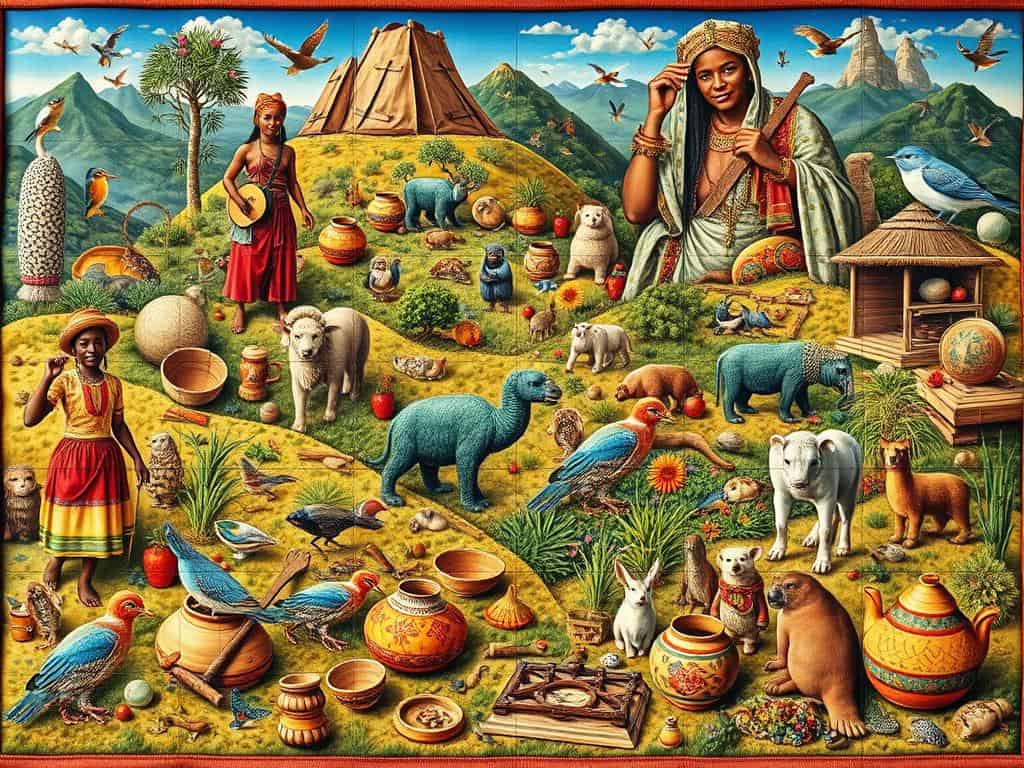
Storytelling as a Tool for Social Change
Storytelling is key in pushing for social change. It links stories with real-world results. Stories shape our collective memory, helping us recall important historical moments.
They also let us see these moments through different eyes. This way, we gain a deeper understanding of social issues. It builds empathy among different groups.
Shaping Collective Memory
Stories can create a shared memory for us all. They highlight the voices of those touched by social movements. This makes their stories real and powerful.
When communities help tell their stories, it builds true connections. It shows the real struggles and victories of their lives. This keeps their legacy alive and strengthens our bonds with them.
Inspiring Movements and Advocacy
Personal stories can spark social movements and advocacy. Studies show stories touch our emotions more than facts. They make us feel connected to the people in the story.
This feeling drives us to find new ways to solve big problems. Whether it’s justice, climate change, or health, stories inspire action. By sharing their stories, advocates push us all to make a difference.
Conclusion
Storytelling has a deep impact on our culture, connecting different communities and building empathy. It helps us understand and address social and economic issues. By facing our biases and fears, we can work towards a fairer society.
These stories are not just about the past. They are tools for imagining a better future. They inspire us to take action and talk openly with others.
By sharing our stories, we become allies in changing narratives. This helps us find ways to work together, building a common vision for the future. It’s key to overcoming inequality and feeling united.
Storytelling is essential for understanding and caring for each other in a world that’s getting more divided. It shows the importance of quality research and partnerships. By telling our stories, we grow as individuals and strengthen our human connections, based on empathy and teamwork.
