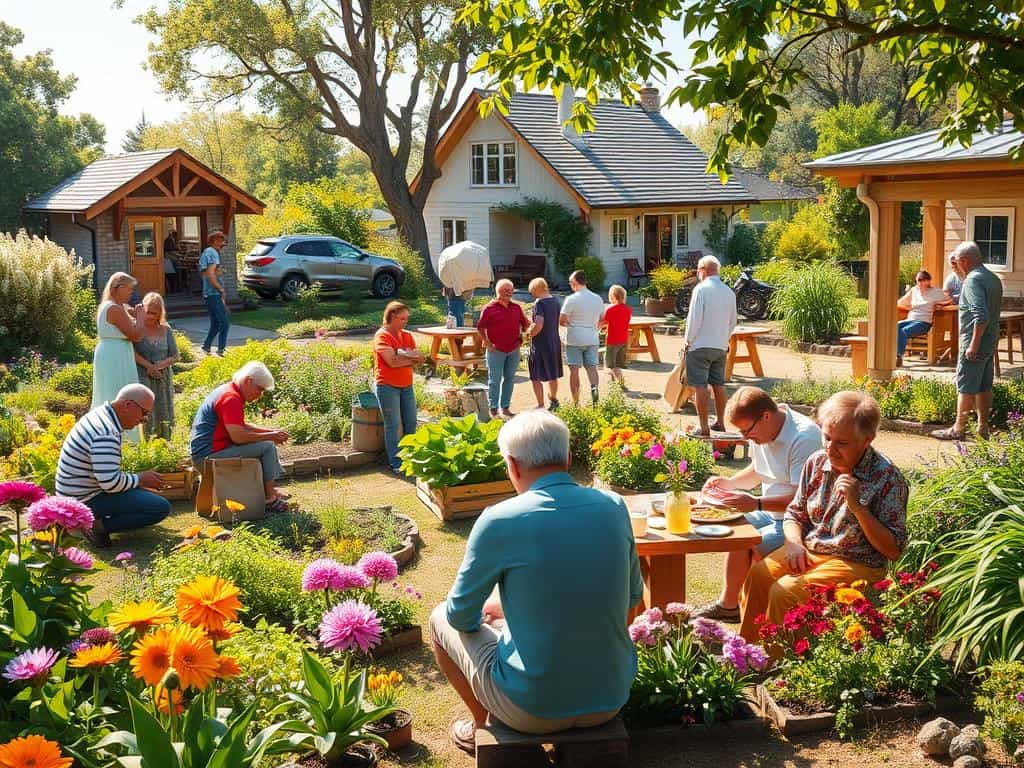
At my local farmer’s market, I saw people connecting warmly. It was more than just shopping; it was a time to bond. This made me realize that community living is on the rise. It’s about sharing spaces and caring for each other.
With many young adults living with their parents, we’re seeing a return to family homes. This echoes the past and shows our need for company. The pandemic has made us crave closer ties, showing community living boosts our mental health.
Many families are finding new ways to live together. They’re solving social and economic problems. Let’s dive into this trend and see how community living is changing for all ages.
Key Takeaways
- Community living fosters closer relationships and combats loneliness.
- Financial pressures are driving the surge in multigenerational households.
- Shared spaces can reduce the burden of housing costs and utilities.
- Having family nearby can improve mental health for all ages.
- Urban designs may evolve to accommodate the trend of communal living.
- Creative living solutions like extensions or second apartments are on the rise.
The Resurgence of Community Living
Community living is making a comeback, showing a big change in what we value today. Back in the Middle Ages, places like convents and Beguines were all about living together. Now, we’re seeing a new wave of interest in living in shared spaces. This shows that humans have always wanted to live in a way that supports each other.
Today, many people are looking for communities that focus on working together and connecting with others. These communities offer a sense of belonging and support that’s hard to find elsewhere.
Historical Context and Modern Influences
In the past, communities were built on helping each other financially and emotionally. People shared what they had, making life easier for everyone. Now, we see this idea in modern co-housing projects in Europe and North America.
These projects take the old idea of sharing and make it work for today’s needs. They create spaces where people can live well together, without losing their independence.
Rising Housing Costs and an Aging Population
Housing prices are going up, making it hard for people to afford their own homes. For older adults, this is a big problem. They might need help in the future but want to stay independent.
Community living is seen as a good solution for this. It offers affordable housing and a supportive environment. This helps older adults feel secure and connected, even as they age.
Cultural Trends Shaping Community Living Today
Today, we’re seeing changes in how we think about living together. More people are embracing minimalism and caring for the planet. They want to live in a way that’s efficient and sustainable.
Co-living spaces are evolving, too. They’re moving away from the old dorm-style living. People want a mix of privacy and community, where they can connect with others while keeping their own space. This shift shows how important it is to have strong connections in our lives.
Benefits of Community Living
Community living offers many benefits that meet individual needs and improve life quality. It helps fight loneliness by creating shared connections among people. Over a third of adults aged 45 and older feel lonely, but community living can help.
It fosters social ties and encourages participation in activities. This leads to forming lasting friendships. Living in a supportive community is key to emotional and mental well-being.
Alleviating Loneliness Through Shared Connections
Building relationships in community living environments boosts emotional and mental health. Regular social interactions help maintain mental health and foster a sense of belonging. Many older adults choose to stay in their communities to avoid feeling isolated.
Cooperative living models appeal to those seeking meaningful social experiences. They offer structured events and daily activities. These opportunities are vital for keeping mental health strong.
Cost Savings and Cooperative Living Models
Community living also offers cost savings through cooperative models. Traditional housing can be expensive, but cooperative living shares costs like utilities and groceries. This approach not only saves money but also promotes teamwork among residents.
The average cost of skilled nursing facilities is about $75,000 a year. Community living provides a more affordable option. It balances personal space with shared resources.
The Appeal of Shared Spaces and Cooperative Living
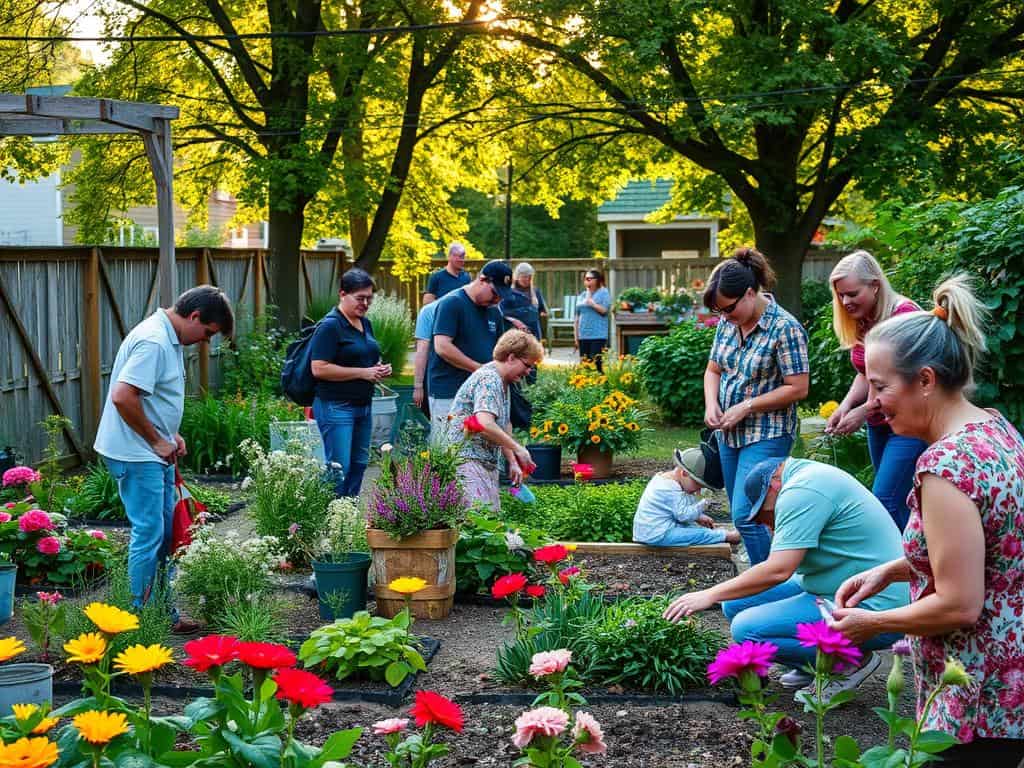
Shared spaces in community living setups enhance life and create a lively social atmosphere. Places like communal kitchens, gardens, and lounges encourage people to interact and work together. These spaces are designed to foster creativity and engagement.
These communities are more than just places to live. They are environments where people can thrive emotionally and socially. The shared living model attracts both older adults and younger people, showing its appeal to all.
Conclusion
The rise of community living shows a big change in how we see social connections and support. With high housing costs and older people feeling lonely, community living is key. It brings people together, unlike many modern homes.
Living in a community makes me feel part of something bigger. It boosts my happiness and quality of life. People in these communities eat better, exercise more, and stay healthier.
In short, community living is not just a trend. It’s a smart choice for both my wallet and my heart. It lets me live in a way that’s connected, healthy, and fulfilling. Community living offers many benefits, making my life better and helping others too.
