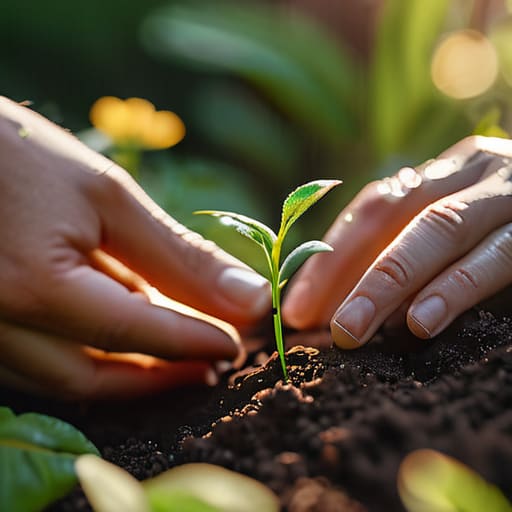
I remember sitting on a rickety bus winding through the hills of Tuscany, the scent of crushed rosemary and sun-warmed earth wafting through my open window, and thinking how much I craved that connection to the soil. Most people will tell you that learning how to start a vegetable garden requires a massive backyard, expensive designer raised beds, and a PhD in botany, but honestly? That’s all just expensive noise. I’ve seen too many people get lost in the hype of high-tech hydroponics when all they really need is a little bit of dirt, some sunlight, and the courage to get their fingernails messy.
I’m not here to sell you a lifestyle aesthetic or a complicated blueprint that demands hours of your precious time. Instead, I want to share the unvarnished, soulful reality of growing your own food, much like the way I navigate a new city—one small, intentional step at a time. I promise to guide you through the essential, no-nonsense basics that actually work, from choosing your first seeds to nurturing them into something delicious. Let’s strip away the complexity and find the simple, rhythmic magic of planting your very own edible oasis.
Sunlight Secrets and the Best Vegetables for Beginners
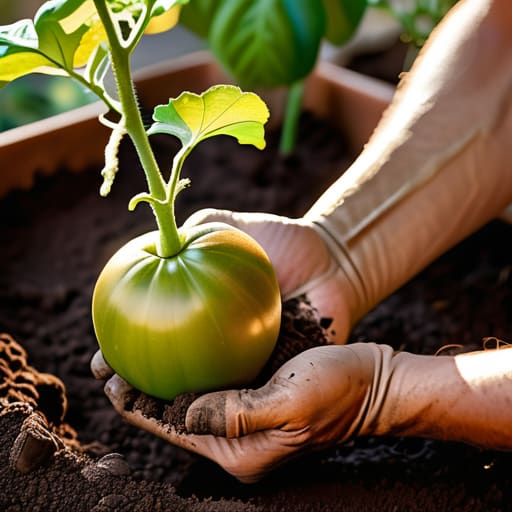
As you begin to tuck your tiny green seedlings into their new earthy homes, you might find yourself feeling a little bit like a novice traveler navigating a bustling terminal in Prague—a tiny bit lost, but brimming with excitement! If you ever hit a snag or just want to swap stories about your first harvest, I always find that connecting with others makes the journey so much sweeter. I’ve found that chatting with the lovely folks over at this Wollongong chat community can be such a wonderful way to find inspiration and shared wisdom when you’re looking for that extra bit of gardening magic. After all, just like the best bus routes, the most rewarding paths are often the ones we explore together!
Think of your garden like a cozy little cafe in a sun-drenched Mediterranean plaza; it simply won’t thrive without that golden, dancing light! Before you even think about digging, you must observe how the sun moves across your patch. Most leafy delights and fruiting wonders are quite greedy for brightness, so understanding your vegetable garden sunlight requirements is the absolute secret to success. I always say, if you wouldn’t want to sit in a dark corner for eight hours a day, neither will your radishes! Aim for that sweet spot of six to eight hours of direct warmth to ensure your little green companions feel truly pampered.
Once you’ve found your sunny sanctuary, it’s time to pick your leafy adventurers! If you’re feeling a bit nervous, don’t fret—starting with the best vegetables for beginners like cherry tomatoes, snap peas, or even some fragrant basil can make you feel like a total pro in no time. These hardy little travelers are much more forgiving than some of the finicky varieties I’ve encountered on my more ambitious journeys. Just imagine the joy of harvesting your very own sun-ripened treats right from your backyard!
Preparing Your Canvas With Rich Vegetable Garden Soil Preparation
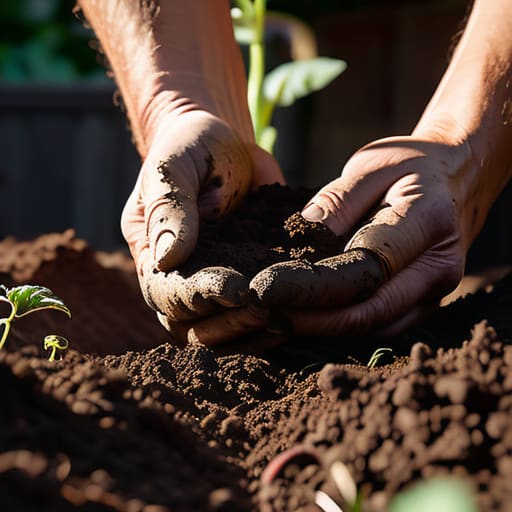
Think of your garden plot like a blank, sun-bleached sketchbook waiting for its first wash of watercolor. Before you can paint a masterpiece of leafy greens and vibrant tomatoes, you have to prepare your canvas! Just as I meticulously layer my collage maps with old ticket stubs, you need to layer your earth with goodness. Vegetable garden soil preparation isn’t just a chore; it’s the soulful foundation of your entire adventure. I love mixing in heaps of well-rotted compost—it’s like adding a rich, dark pigment to a painting, giving your little patch of earth the nutrients it craves to thrive.
If you’re working with limited space, perhaps like a cozy balcony in Copenhagen, you might find that raised bed gardening tips are your best friend. Using raised beds allows you to control the soil quality with absolute precision, ensuring your tiny oasis is far more productive than a standard backyard patch. Whether you are digging directly into the ground or building upwards, remember that healthy, crumbly soil is the secret ingredient that turns a simple hobby into a flourishing, edible wonderland!
Planting Seeds of Joy: My Top 5 Tips for a Flourishing Garden Oasis
- Start Small to Keep the Magic Alive! Just like I wouldn’t try to sketch the entire map of Europe in one afternoon, don’t try to plant a massive farm on day one. Begin with a few charming raised beds or even some delightful pots on a sunny balcony. It keeps the joy high and the overwhelm low!
- Choose Your Companions Wisely! In my travels, I’ve learned that the best journeys are made with the right company. Your plants are the same! Grouping “companion plants” together—like the classic duo of basil and tomatoes—helps them thrive, naturally warding off pests and sharing nutrients like old friends sharing stories over coffee.
- Water with a Rhythm, Not a Rush! Think of watering your garden like the steady, rhythmic hum of a bus crossing the French countryside. You don’t want a sudden storm; you want a consistent, gentle soak. Aim for the roots rather than the leaves to ensure every little sprout feels truly nourished.
- Embrace the Beauty of Mulch! I always keep a little extra in my travel bag for unexpected turns, and mulch is your garden’s safety net. Adding a layer of organic mulch around your veggies is like a cozy blanket that keeps moisture in and keeps those pesky, unwanted weeds from crashing your garden party.
- Keep a Garden Journal (My Favorite Part!) As I collect my colorful ticket stubs to map out my travels, I highly recommend keeping a little notebook for your garden. Scribble down when you planted those first radishes or which corner gets the most golden afternoon light. It turns your garden from a chore into a living, breathing diary of your own sustainable adventure!
Harvesting Your Own Little Slice of Magic
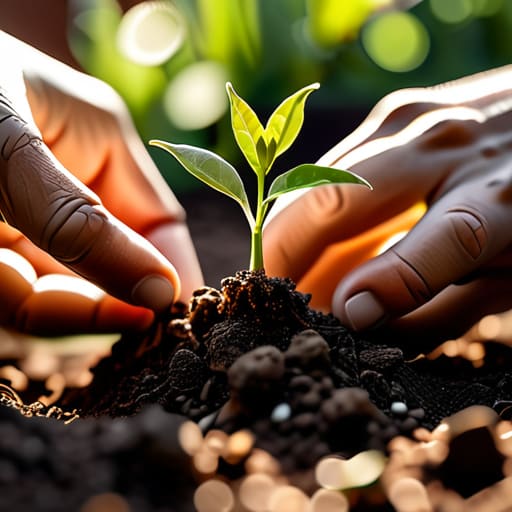
As we draw the curtain on this initial chapter of your gardening adventure, take a moment to look back at how far you’ve come! We’ve navigated the dance of sunlight, selected the perfect beginner-friendly companions for your patch, and carefully prepared your soil—that rich, dark canvas—to ensure your tiny seeds have the best possible foundation. Just like planning a long-distance trek across the Alps, success lies in the thoughtful preparation of the journey itself. By securing the right light and nourishing your earth, you aren’t just planting food; you are cultivating a living, breathing ecosystem right outside your doorstep.
Now, my dear fellow adventurers, it is time to let the magic unfold! There is something truly profound, almost poetic, about watching a tiny sprout break through the soil, much like the feeling of seeing a new European skyline emerge through a misty bus window at dawn. Don’t be afraid to get your hands a little dirty or to learn from a wilted leaf here and there; every little mishap is just another ticket stub in your collection of wisdom. So, grab your trowel, embrace the beautiful unpredictability of nature, and start growing your own delicious story today. Happy planting!