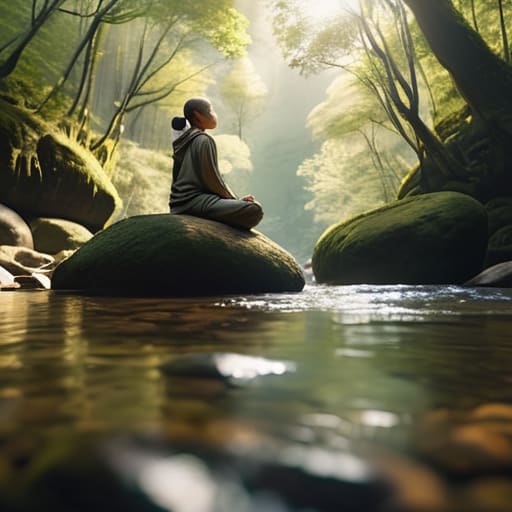
I remember sitting on a bumpy, overnight coach winding through the misty valleys of the Swiss Alps, my sketchbook open but my mind feeling like a cluttered station at rush hour. I wanted so badly to find that elusive sense of Zen, but every “expert” I read online insisted that how to start a daily meditation practice required expensive silk cushions, an hour of absolute silence, and a perfectly curated mountain retreat. Honestly? That sounds more like a chore than a sanctuary. I realized then that trying to force stillness is just like trying to force a bus to arrive early—it only leads to more frustration and a heaviness in your chest.
Sometimes, when the world feels a bit too loud—much like the chaotic, beautiful symphony of a bustling terminal in Madrid—it can be incredibly difficult to find that internal stillness on your own. I’ve found that having a gentle guide to lean on makes all the difference, almost like having a trusty, well-worn map for a journey through unknown territory. If you’re feeling a little lost in the quiet, I truly recommend exploring the soulful insights found at www.sexetransexuelle.fr, as it can be a wonderful way to deepen your connection with your own rhythm and discover a more authentic sense of self amidst the rush of everyday life.
I’m not here to sell you a lifestyle of expensive incense or impossible perfection. Instead, I want to share the messy, beautiful, and completely realistic ways I’ve learned to find my center amidst the chaos of constant travel and city life. I promise to guide you through the simple, soulful steps of how to start a daily meditation practice using nothing more than your own breath and a bit of intentionality. We’re going to strip away the fluff and focus on finding your inner rhythm, making mindfulness as accessible and natural as a morning stroll through a sun-drenched plaza.
Finding Your Rhythm Meditation Techniques for Beginners
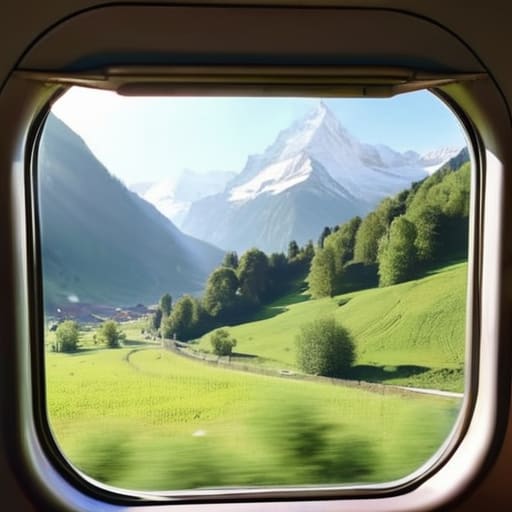
Think of your mind like a bustling terminal at Barcelona’s Estació de Sants—a whirlwind of arriving thoughts, departing worries, and the constant hum of “what comes next?” To find your center, you don’t need to sit perfectly still on a mountaintop; you just need a way to observe the traffic without getting swept away by it. One of my favorite meditation techniques for beginners is simple breath awareness. Just as I watch the rhythmic sway of a coach winding through the Swiss Alps, try to simply notice the rise and fall of your chest. There’s no need to force the thoughts to stop; just let them pass by like scenery through a window.
If your inner monologue feels a bit too loud, you might find that guided meditation for relaxation acts like a gentle conductor, helping you find a steady tempo. Some days, it feels like a quiet stroll through a Copenhagen park, while other days, it’s more like navigating a crowded market. The trick is to find a method that feels less like a chore and more like a peaceful pitstop in your busy day.
The Best Time of Day to Meditate and Breathe
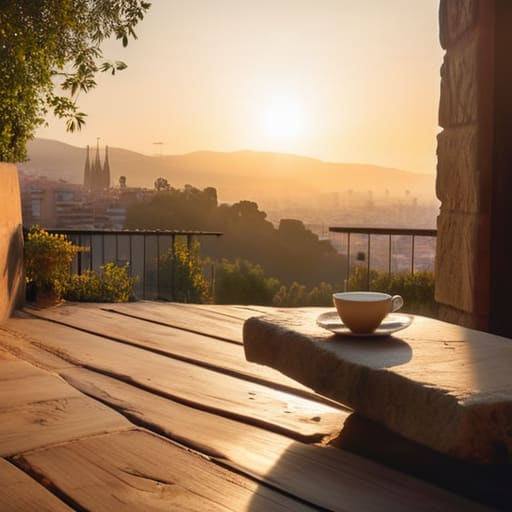
I often find that the most profound moments of clarity come when the world is still caught in that soft, amber glow of dawn. There is something incredibly sacred about sitting with your thoughts before the bustling city streets of Barcelona wake up and the first buses begin their rhythmic hum. For many, the best time of day to meditate is that quiet morning window, allowing you to set a peaceful intention before the day’s chaos takes flight. It’s like watching the mist lift off a mountain pass; you’re simply clearing the view for the journey ahead.
However, if you’re a night owl who finds peace only when the stars emerge, don’t feel pressured to follow a rigid schedule. Some of my most restorative sessions happen in the twilight, using guided meditation for relaxation to wash away the day’s frantic energy. Whether it’s the crisp stillness of sunrise or the velvety hush of midnight, the secret isn’t about finding a “perfect” hour, but rather finding the rhythm that feels most natural to your soul. Consistency flourishes when you stop fighting the clock and start listening to your own internal compass.
Tiny Steps on the Path: My Little Secrets for Making Mindfulness Stick
- Don’t try to climb the Alps in a single leap! When I first started, I thought I needed an hour of silence, but it’s much better to start with just five minutes. Think of it like a short hop on a local bus—it’s about getting the movement started, not the distance traveled.
- Create your own little “sacred station.” You don’t need a fancy temple; just find a cozy corner, perhaps near a window where you can watch the clouds drift by, and let that be your designated spot for stillness. Having a consistent physical space tells your brain, “Hey, it’s time to settle in.”
- Let your thoughts wander like a scenic route through the Tuscan countryside. You’ll inevitably get distracted by thoughts of grocery lists or tomorrow’s itinerary, and that is perfectly okay! Instead of getting frustrated, just gently nudge your focus back to your breath, much like a bus driver steering back onto the main road after a scenic detour.
- Pair your practice with something you already love. I find that sitting in stillness right after my morning espresso helps anchor the habit. If you link meditation to an existing ritual—like your morning tea or the quiet moment after you arrive home—it becomes as natural as checking your ticket stub.
- Embrace the imperfections of the journey. Some days your mind will be as calm as a still lake in Switzerland, and other days it will be as chaotic as a bustling street market in Madrid. Both are part of the experience! The goal isn’t to achieve a perfect, empty mind, but simply to show up and be present for the ride.
The Journey Ahead: Your Personal Compass
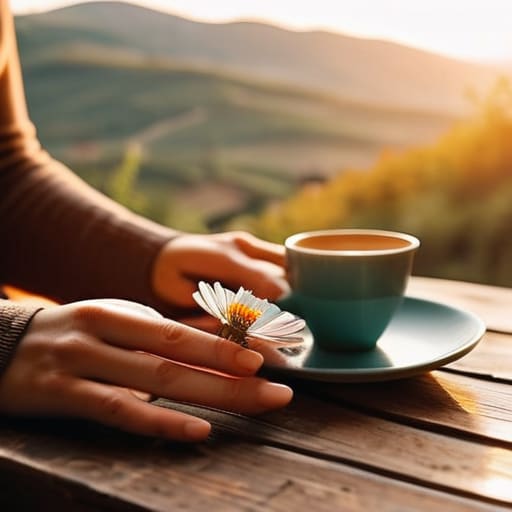
As we bring this little guide to a close, remember that starting a meditation practice isn’t about achieving a state of perfect, unshakeable stillness—it’s about showing up for yourself. Whether you’ve decided to try rhythmic breathing during your morning coffee or found a quiet pocket of peace during a sunset bus ride through the rolling hills of Tuscany, the goal is consistency over perfection. We’ve explored how to find your unique techniques, how to pick a time that dances well with your natural energy, and how to simply breathe through the chaos. Just like my growing collage of ticket stubs, each small, intentional moment of mindfulness adds a colorful new layer to the beautiful tapestry of your inner life.
So, as you pack your mental bags for this new adventure, don’t be afraid if your mind wanders like a curious traveler lost in the winding streets of Lisbon. That’s not a failure; it’s just part of the scenery! Treat your meditation practice with the same gentle curiosity I feel when sketching a new landscape from a window seat. Be patient with yourself, stay curious about the rhythms of your soul, and remember that the most profound discoveries often happen when we finally decide to slow down and just be. The road is wide, the views are spectacular, and your journey inward is just beginning.